 10-21
One income: reassessing household spending
Compare received cash, unavoidable obligations and care arrangements before and after the change, then test the lowest balance before payday. A month-end surplus is not proof of sustainability.
10-21
Compare received cash, unavoidable obligations and care arrangements before and after the change, then test the lowest balance before payday. A month-end surplus is not proof of sustainability.
 10-21
Hong Kong's Deposit Protection Scheme covers eligible deposits up to HK$800,000 per depositor per Scheme member, so all your accounts at the same bank share one cap. This explainer covers how the counting works, a worked example, common mistakes, and a short checklist.
 10-21
The premium is only what you pay before anything goes wrong; excess, coverage caps and exclusions decide what you get back afterwards. First-time buyers comparing travel, home, pet or medical cover should read all four numbers, answer the application truthfully and check the policy wording.
 10-21
Your credit limit is what a lender offers, not what you can afford to spend. This guide shows how to set your own cap, with a worked example, common mistakes and a short checklist.
 10-16
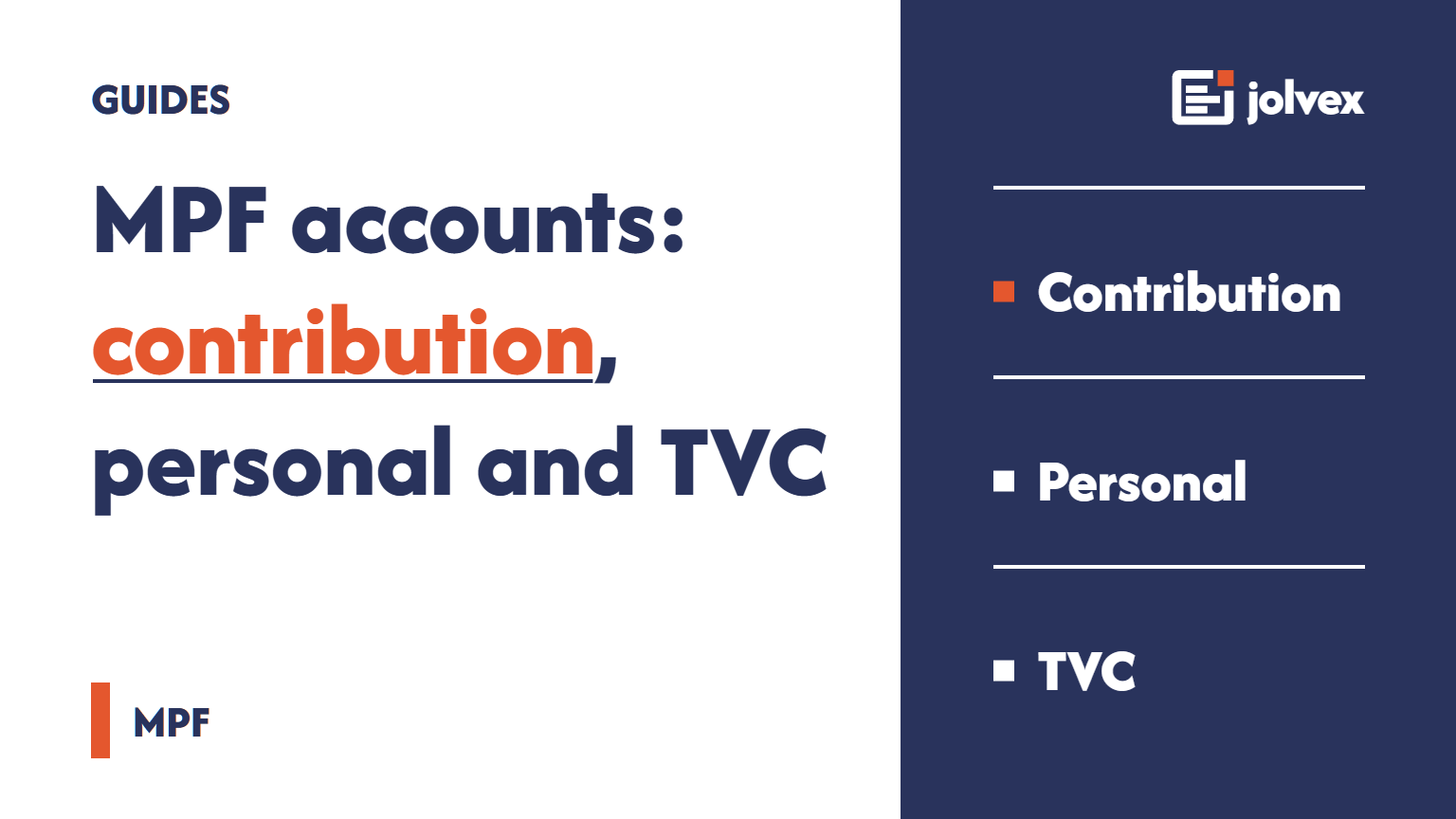
Contribution accounts receive current new contributions; personal accounts hold benefits from former employment; TVC accounts hold tax-deductible voluntary contributions. Identify the source before choosing a transfer or withdrawal.
 10-20
Returns describe outcomes; risk disclosures describe the path that could produce them. Identify the fund type and exposures, then test the loss against your own spending date.
 10-19
Compare the same event across triggers and benefit types: medical reimburses eligible costs, critical illness pays a lump sum only for a defined insured condition, and accident cover depends on the policy's accident definition.
 10-17
BIR60 reports the relevant income, expenses and elections so IRD can assess tax; the reported total is not the tax payable and the return is not a payment demand.
 10-17
A management fee can cover trustee and investment-manager services; the fund expense ratio reports actual fees for the preceding financial period. Check the current fee table and the historical FER separately.
 10-19
Understanding is not having enough cash. It means explaining, in your own words, how the product earns, how it loses, when you can exit, and what every charge does before you place an order.
 10-19
Start with the assessment year and deadline on BIR60, retrieve that year's official guidance, and match each record by income type before adding anything.
 10-17
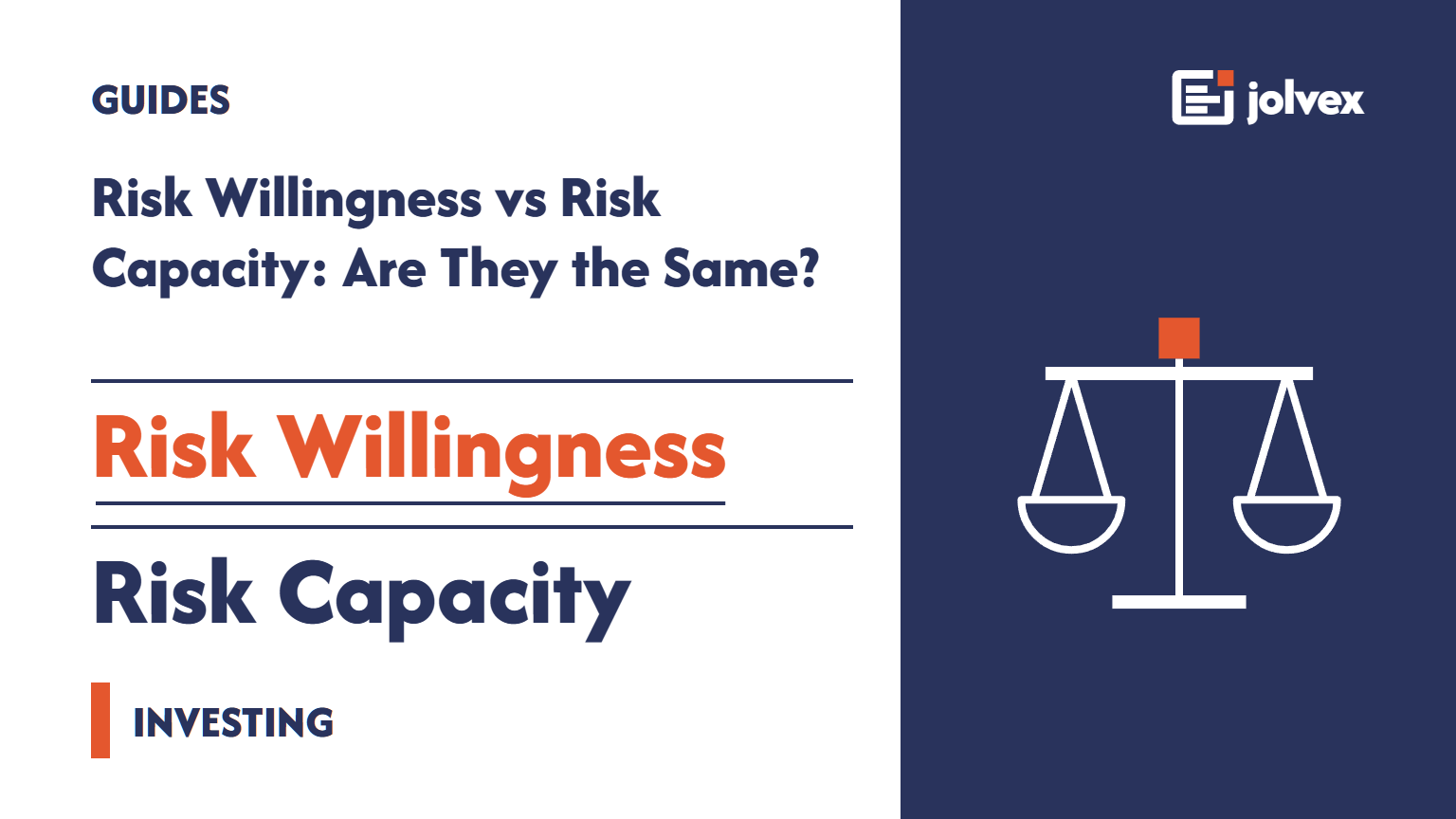
No. Risk willingness is how much uncertainty you can accept emotionally; risk capacity is how much loss your finances can absorb. Use the lower of the two as the practical ceiling, then review it when income, debts or goals change.
 Orbi