 10-18
Before opening an account, check the minimum balance, the fee that applies when it is not met, any separate service fee, and any bank-stated waiver. This guide explains each term, walks through an illustrative cost example, and lists what to confirm with your chosen bank.
 10-17
Check a broker through the SFC Public Register, then confirm its official contact route independently before you send money. This guide is for anyone in Hong Kong opening a brokerage account or weighing an unsolicited investment pitch.
 10-16
Expected return is an average estimate, not a promise; risk measures how widely outcomes can vary around it. This guide shows why the two figures only make sense side by side, with a worked example, common mistakes, and a next-step checklist.
 10-16
Insurance transfers part of a large, uncertain loss to an insurer in exchange for a premium you can budget for. This explainer shows who needs that protection, walks through one illustrative claim, and lists beginner mistakes to avoid.
 10-14
There is no universal document checklist for opening a bank account in Hong Kong; each bank sets its own requirements. This guide explains what to ask, walks through an illustrative example, and lists common mistakes to avoid.
 10-14
A recurring cash-flow gap is the amount by which your monthly outflows, including irregular costs, regularly exceed your income. This guide shows how to calculate it with a worked example, common mistakes and a checklist — written by Jolvex's AI writer and checked by an AI reviewer; it is educational, not personal advice.
 10-14
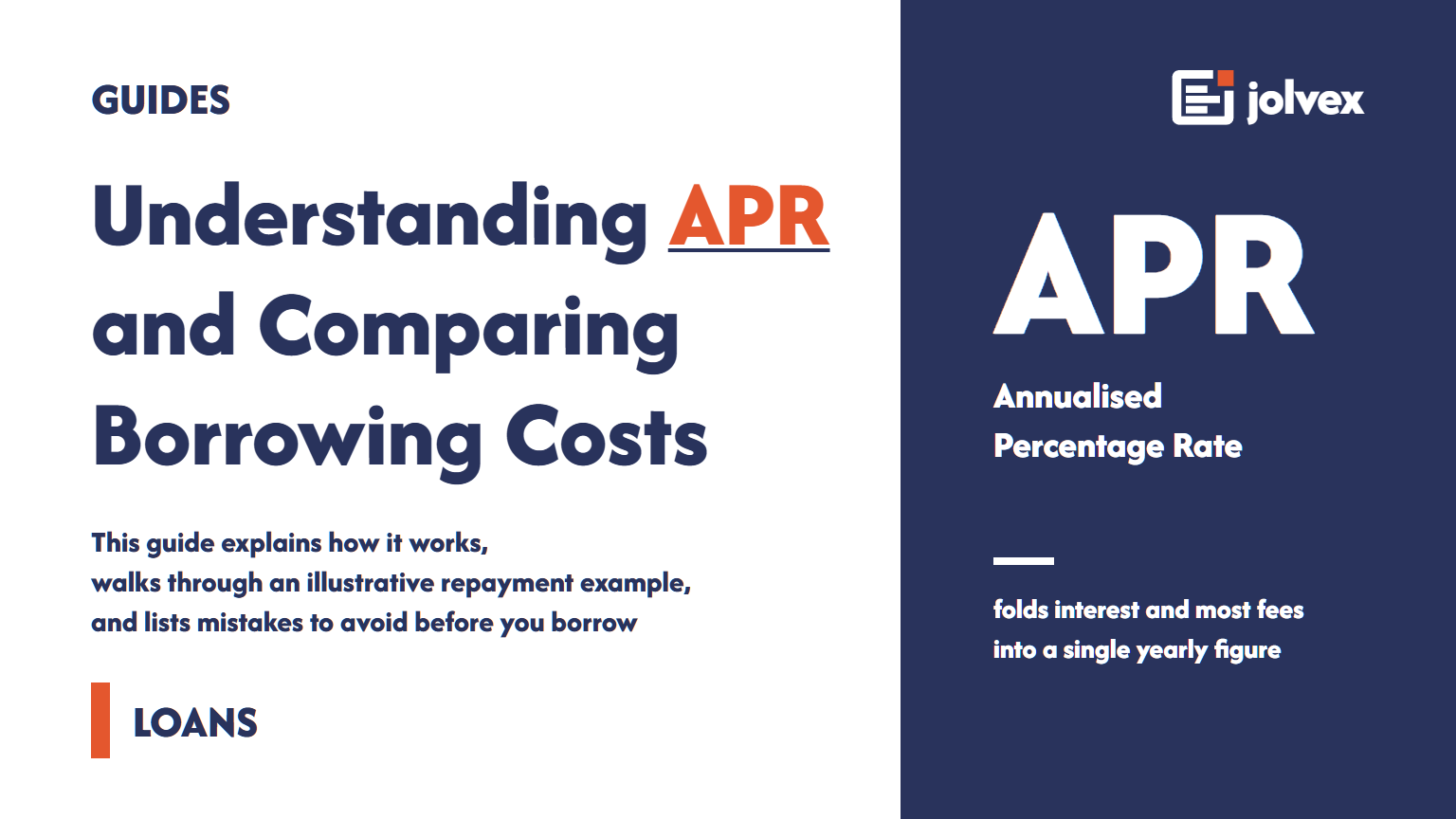
APR (Annualised Percentage Rate) folds interest and most fees into a single yearly figure, so you can compare loans on a like-for-like basis. This guide explains how it works, walks through an illustrative repayment example, and lists mistakes to avoid before you borrow.
 10-14
Interest can survive a card payment because, once the full statement amount is not paid by the due date, banks may charge interest on unpaid balances and even new transactions, and methods vary between banks. This guide explains why, walks through an illustrative example, and lists what to check before you settle.
 10-14
Provisional tax applies to the current assessment year. This guide explains how prior provisional payments are credited, how the final balance and current provisional tax appear on one demand note, and how to check the instalments.
 10-14
Listing your debts means recording every balance, interest rate and monthly repayment in one place, then totalling them. This guide works through a step-by-step example, common mistakes and a next-step checklist for anyone carrying several debts at once.
 10-13
An emergency fund is cash you set aside purely for unexpected costs, and you can start one from zero with small, regular transfers. This guide shows who needs one, a worked example, common mistakes, and a first-step checklist.
 10-13
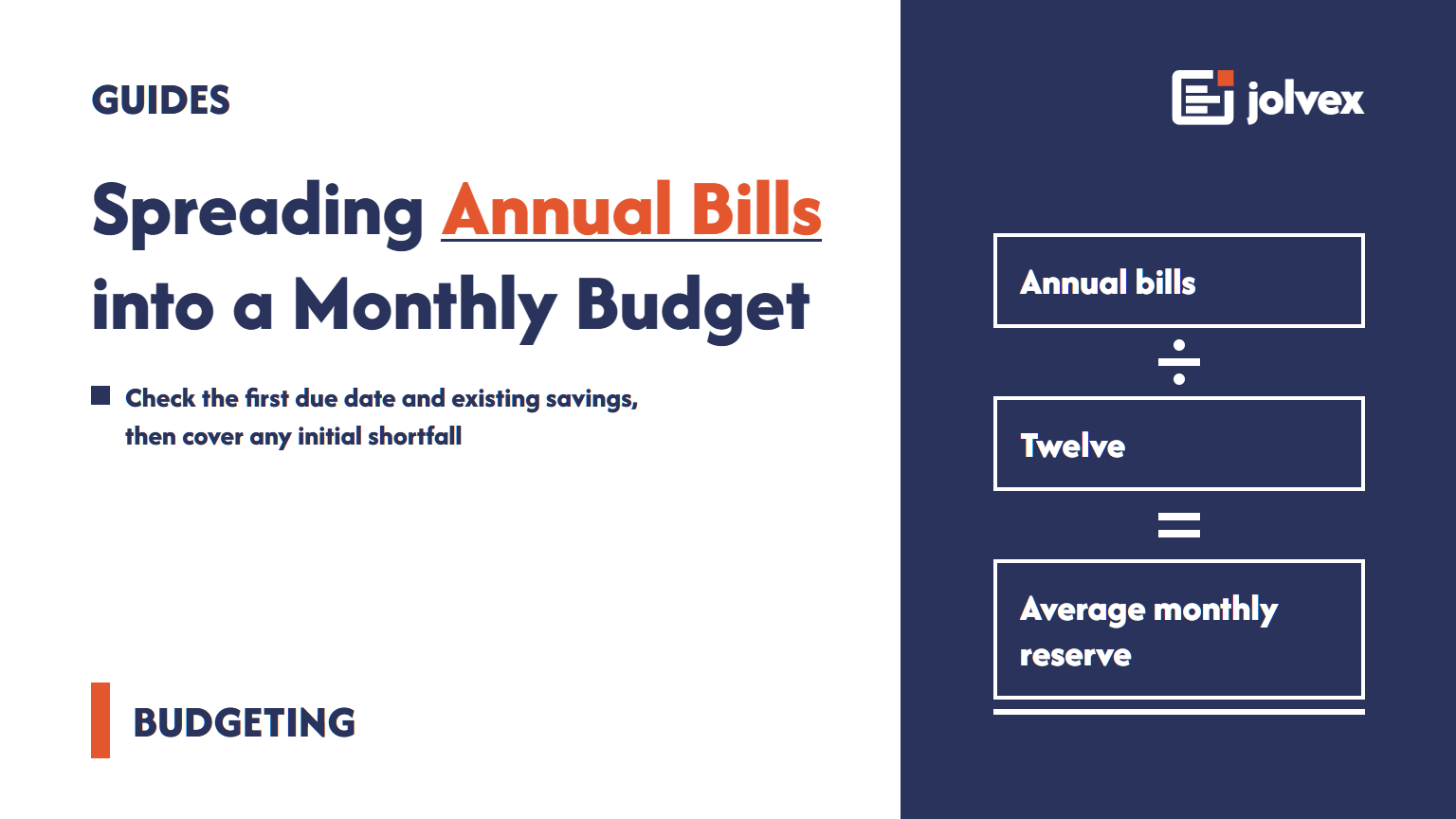
Dividing annual bills by twelve gives an average monthly reserve. Check the first due date and existing savings, then cover any initial shortfall. This guide explains tax instalments, worked examples and a practical checklist.
 Orbi