 10-27
Ask your bank four things before using an over-limit arrangement: how it is switched on or off, the fee each time you exceed the limit, the cap on over-limit spending, and when the amount must be repaid. It matters most if you often spend near your credit limit.
 10-25
Compare the capped welcome gift with spending you would not otherwise make, then subtract the annual fee after checking every waiver condition and repayment requirement.
 10-25
Missed one loan instalment? Here is the order to handle it: confirm the payment failed, pay or contact the lender, ask about overdue charges and your credit record, then fix the cause.
 10-23
Missing the minimum payment deadline can lead to late fees, finance charges and credit-record effects. This AI-generated guide separates those risks from timely minimum payments, with a labelled example and checklist.
 10-22
Lenders may review your repayment history when you apply again; the practical task is to keep due dates funded, keep evidence of what was paid, and correct errors with the lender and credit reference agency.
 10-21
Your credit limit is what a lender offers, not what you can afford to spend. This guide shows how to set your own cap, with a worked example, common mistakes and a short checklist.
 10-15
Check the credit limit, interest-free period, minimum payment, repayment terms and fees, then reconcile the statement date, due date, payment and later transactions.
 10-15
Before signing, identify whether the loan is an instalment or revolving facility, then get the APR, exact payments, all fees, early-repayment costs and late-payment consequences in writing.
 10-19
Debt consolidation replaces several debts with a single loan and one monthly payment. Consolidation alone does not cancel debt; this guide uses an illustrative example to compare total repayments and fees before switching.
 10-18
A minimum payment is the smallest statement amount that must arrive by the due date to avoid the account being treated as late — it does not clear your debt. This guide shows, step by step, how finance charges build on the unpaid balance, using labelled illustrative figures, common mistakes, and a short checklist.
 10-14
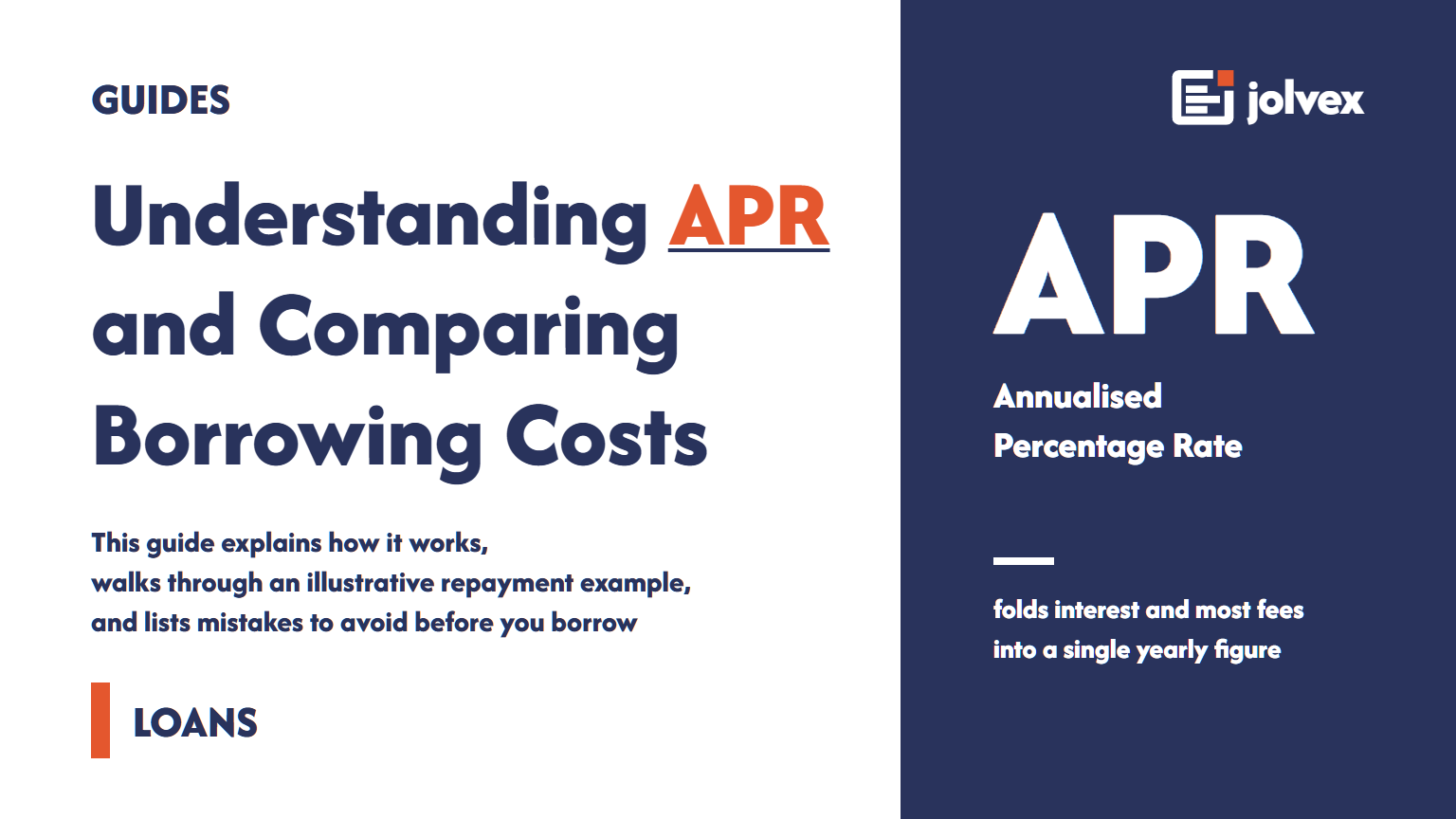
APR (Annualised Percentage Rate) folds interest and most fees into a single yearly figure, so you can compare loans on a like-for-like basis. This guide explains how it works, walks through an illustrative repayment example, and lists mistakes to avoid before you borrow.
 10-14
Interest can survive a card payment because, once the full statement amount is not paid by the due date, banks may charge interest on unpaid balances and even new transactions, and methods vary between banks. This guide explains why, walks through an illustrative example, and lists what to check before you settle.
 Orbi